
PLANET
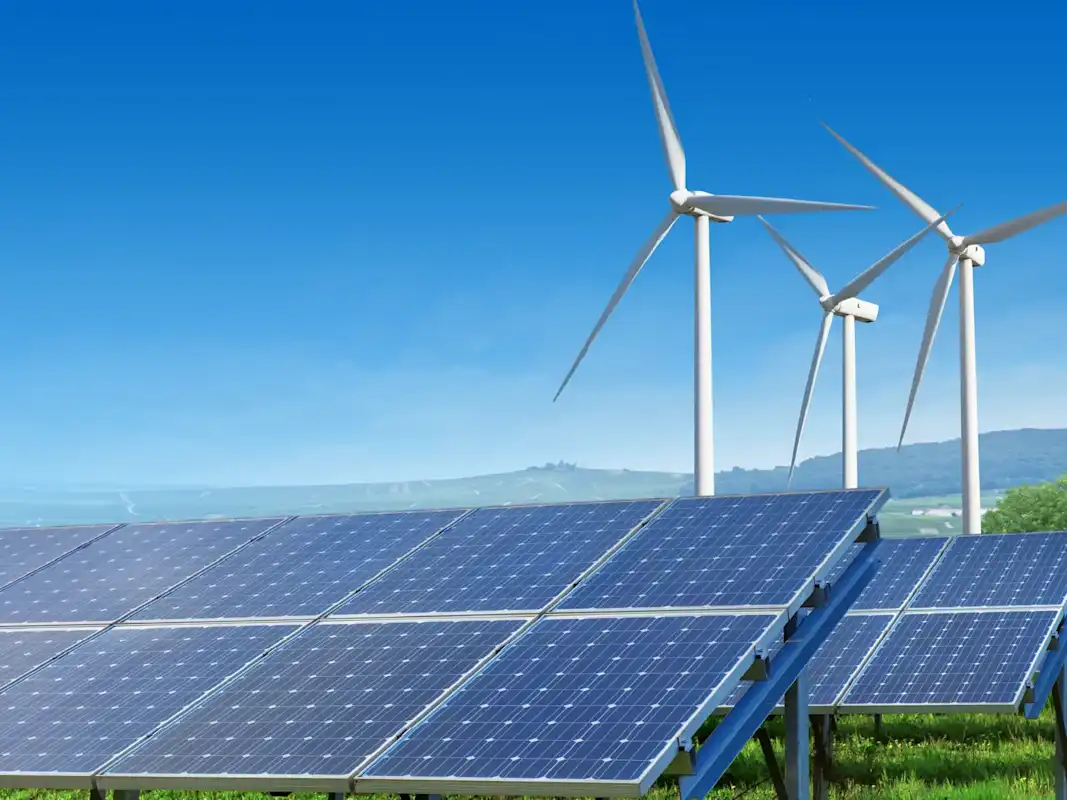
In 2025, Snap took meaningful steps to move beyond neutralizing emissions from our operations and toward actively reducing emissions across our operations, supply chain, and partner network. We maintained carbon neutrality across our operations, launched a new decarbonization strategy focused on emissions reductions over offsets, and expanded supplier engagement to strengthen transparency across our value chain. Together, these efforts help ensure that growth and environmental responsibility advance together.
Key Metrics and Highlights
100%
Renewable electricity sourced globally and maintained carbon neutrality through verified offsets and RECs/EACs.
30%
The share of hardware suppliers who provided emissions data, unlocking new visibility into Scope 3 reduction opportunities.
74-98%
CO2 reductions achieved across Snap for Green campaigns, compared to standard video benchmarks.

Climate progress does not happen in isolation. It requires us to work with our suppliers, partners, and teams to understand where emissions come from and take action together to reduce them. That is the commitment we made in 2025, and it will continue to define our path forward
Nana Wilberforce
Head of Sustainability

Climate Strategy
Our climate commitment is grounded in credible measurement and practical action. In 2025, our reported emissions reflected the demands of operating and scaling a global platform. Investments in infrastructure to support our growing services increased energy demand, and the data center ecosystem, which remains an industry-wide challenge, continued to be our largest driver of consumption.
We maintained carbon neutrality across our operations in 2025 through verified offsets, Energy Attribute Certificates (EACs), and Renewable Energy Certificates (RECs), while also covering a portion of Scope 3 emissions. We view this as an interim approach as we work toward a longer-term goal of decoupling business growth from emissions growth. We know offsets are not a substitute for emissions reductions. That is why, in late 2025, we launched a new decarbonization strategy that shifts our approach from compensation alone toward practical emissions reductions, focusing on hotspots and working with suppliers and partners to explore technology changes, material innovations, and operational redesigns that can reduce emissions at the source.
Our Products
In 2025, we advanced efforts to optimize product performance, reduce emissions, and ensure compliance with evolving global regulations, working closely with our internal teams and external partners to identify and act on key areas of opportunity. Our product and infrastructure teams continue to focus on minimizing energy use associated with Snapchat’s performance — without compromising the experience for our community.
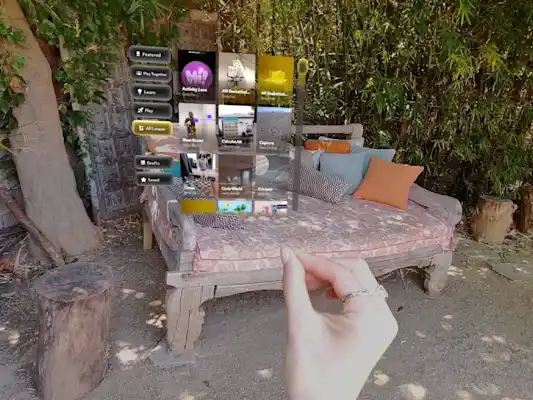
We also introduced the fifth generation of Specs, our see-through, standalone AR glasses that enable you to use Lenses and experience the world together with friends, in totally new ways. We are committed to ensuring our physical products meet strict environmental and health standards. In 2025, we reinforced our commitment to compliance and safety across the supply chain.

Our Workplaces
In 2025, Snap continued to consolidate its global office portfolio around strategic core locations, advancing energy efficiency through HVAC optimization, a unified Building Management System pilot, and data-driven monitoring tools — while expanding commuter programs and transit-oriented workplace design to reduce employee emissions. The Santa Monica campus underwent a major sustainability-focused transformation, incorporating low-carbon concrete, expanded green space, redesigned irrigation, upgraded HVAC systems, and increased EV charging. Across offices, Snap piloted an AI-powered platform to reduce food waste, hosted over 4,300 onsite events to eliminate the environmental overhead of third-party venues, and redirected surplus food to local community organizations.
Snap For Green
Our Snap for Green program gives advertisers tools to reduce their environmental impact and drive brand performance. When brands invest in media packages that include AR and Commercials, we offer to support the clients with complimentary carbon impact studies. These insights help advertisers evaluate their campaign footprint, benchmark against social competitors, and make data-driven decisions about formats, targeting, and creative optimization.
Least Energy-Consuming
All Snapchat ad formats are more carbon efficient than industry benchmarks.
69%
Snapchat campaigns produce, on average, 69% fewer emissions (Wh/1,000 impressions) than industry benchmarks.
66%
Six-second Snap Commercials produce approximately 66% fewer emissions (Wh/1,000 impressions) than the social benchmark.
LOOKING AHEAD

Building on our growing supplier emissions dataset, we will develop a new long-term, science-aligned climate strategy. For our products, we will continue engaging our hardware suppliers on material transparency and emissions reduction initiatives, building on the supplier engagement foundations established in 2025 to drive meaningful Scope 3 reductions across our value chain. In our workplaces, we will expand our Building Management System (BMS) to additional sites, advancing data monitoring and automation as baseline data matures, and investing in transit-oriented locations and commuter programs that make lower-carbon choices easier for our people. Through Snap for Green, we will scale our carbon impact program to more brand partners and markets, reinforcing that our platform can drive climate action beyond our own walls and that sustainable advertising and high-performing advertising are one and the same.
DOWNLOAD THE CITIZEN SNAP REPORT